

Our top picks
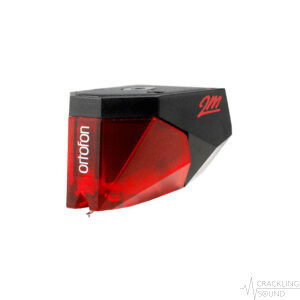
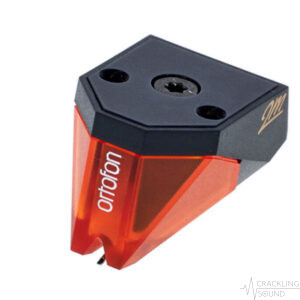
Best MC classic
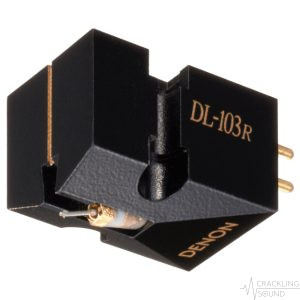
Low-output moving coil legend – needs an MC phono stage.Check price on AmazonRead review
Key takeaways
- MM cartridges offer user-replaceable styli and high compatibility with standard phono stages.
- MC cartridges deliver superior micro-detail and dynamic tracking, but require specialized gain.
- Cartridge compliance and physical matching with your tonearm prevent resonance issues.
To make an informed decision when shopping for replacement cartridges, you must weigh output levels, replacement costs, and compatibility with your existing audio hardware. Whether you are after warm, forgiving playback or ultra-detailed high-frequency tracking, the right stylus and generator type will completely transform your listening experience.

Moving Magnet (MM) Cartridges
MM cartridges feature a higher output voltage, work seamlessly with almost every standard phono preamp, and often offer a user-replaceable stylus—making the Ortofon 2M Bronze a well-known benchmark in this category. Because the magnets are attached to the cantilever rather than the coils, they carry more moving mass, which slightly limits ultra-fine high-frequency tracking compared to high-end moving coil designs. However, their convenience, ease of maintenance, and lower entry barrier make them the ideal choice for everyday vinyl enthusiasts.
Pros
- User-replaceable stylus assemblies
- High output voltage works with standard phono inputs
- Cost-effective long-term maintenance
Cons
- Higher moving mass at the cantilever tip
- Less micro-detail retrieval than premium MC designs
Moving Coil (MC) Cartridges
Conversely, MC cartridges boast lower moving mass and are universally prized for exceptional micro-detail and soundstage depth, though they require a phono stage with specialized MC gain and a stylus that typically cannot be swapped by the user. Examining detailed comparisons like the Nagaoka MP-200 vs Ortofon 2M Bronze clearly shows how vastly different two high-end cartridges can sound in a balanced system. Because the microscopic coils are mounted directly to the cantilever, the tracking behavior is faster and more precise, uncovering hidden layers in complex musical passages.
Pros
- Exceptional high-frequency detail and transparency
- Lower moving mass for superior groove tracking
- Wide and deep soundstage imaging
Cons
- Stylus cannot be user-replaced (requires factory retip)
- Requires specialized MC gain stage or step-up transformer
Stylus Shape and Groove Tracking
The geometric profile of the diamond tip plays a massive role in how these cartridges extract audio information from the vinyl grooves. Traditional conical styli are exceptionally forgiving on older records and highly affordable, whereas elliptical, fine-line, and micro-ridge profiles trace the micro-grooves with extreme precision. While advanced shapes retrieve significantly more high-frequency detail and reduce distortion, they demand much more rigorous physical cartridge alignment during installation.
Matching Cartridge and Tonearm Compliance
Physical synergy between cartridges and your tonearm is critical for optimal tracking performance. Cartridge compliance and total weight must suit the effective mass of your tonearm to avoid unwanted low-frequency resonance problems and mistracking distortion. After successfully fitting a new model, always calibrate the tracking force and anti-skate mechanism accurately—refer to our guide on how to balance a tonearm for step-by-step instructions.
Matching Cartridge and Phono Preamp Requirements
Electrical matching is just as vital as mechanical setup. Standard Moving Magnet cartridges typically require a 47 kΩ load, while Moving Coil designs demand higher gain stages and sometimes adjustable impedance loading. Always verify that your chosen phono preamp fully supports the electrical specifications of your target cartridges before making a purchase.