

Our top picks
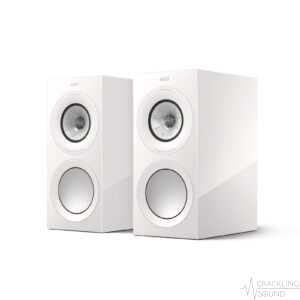
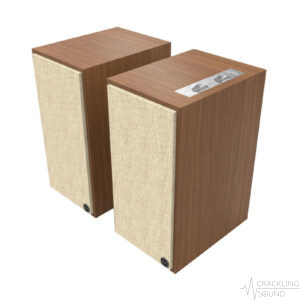
Best compact hi-fi
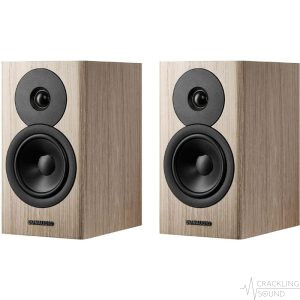
Refined, detailed sound for small to medium rooms.Check price on AmazonRead review
Key takeaways
- Powered active speakers feature built-in amplification and direct inputs, making them ideal for compact setups.
- Passive models require a separate amplifier but offer ultimate upgrade flexibility over time.
- Matching transducer sensitivity and impedance with your amplifier prevents distortion and protects your hardware.
To make an informed decision when shopping for new speakers, you must weigh design footprints, power handling, and connectivity options. Whether you are after space-saving active monitors or full-scale floorstanding towers, the right acoustic match will completely transform your vinyl listening sessions.
Passive vs. Powered (Active) Units
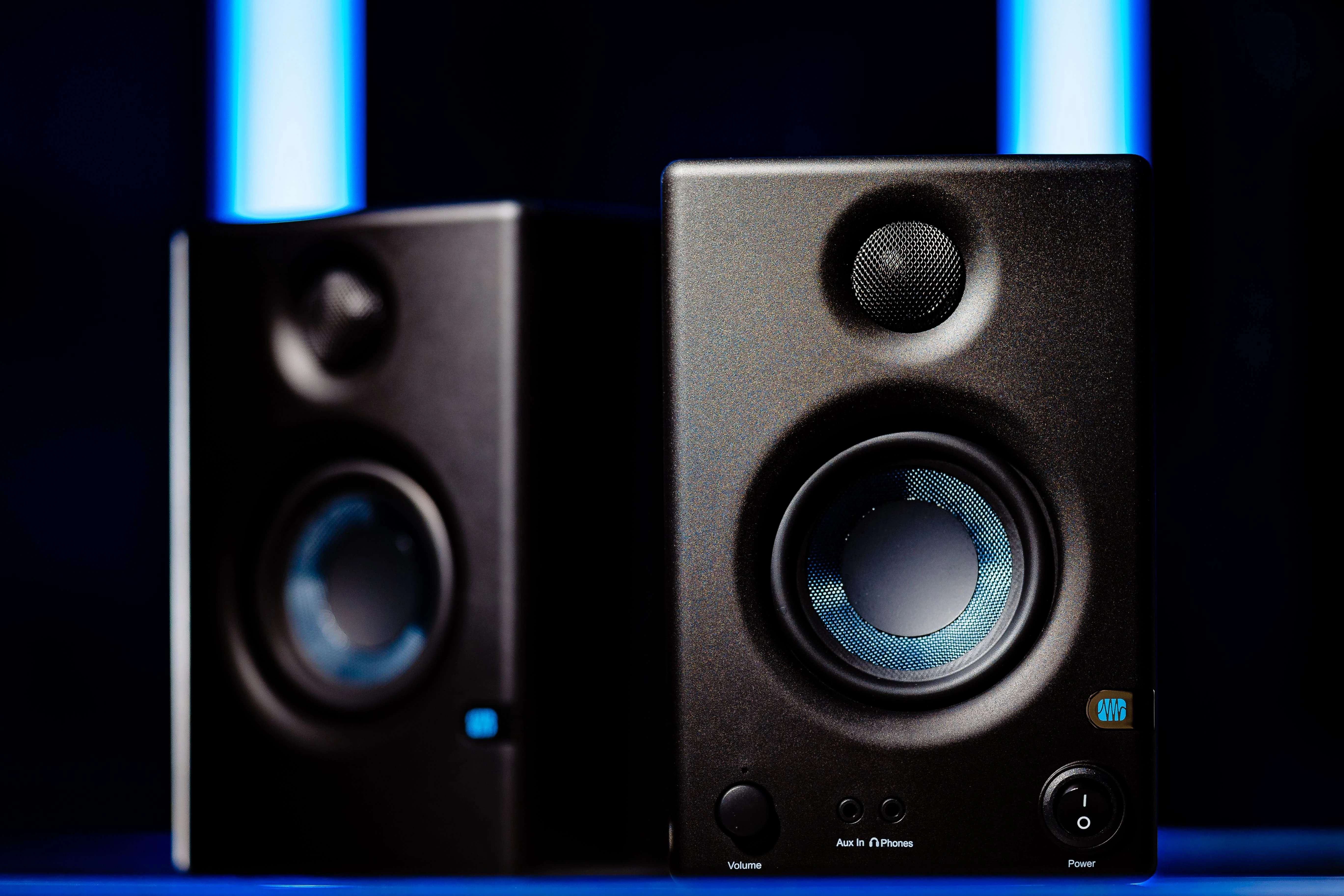
The foundational design choice when shopping for hi-fi speakers comes down to amplification architecture. Passive units require a separate external stereo amplifier or receiver, which gives you absolute freedom to mix, match, and upgrade each electronic component of your system over time. Conversely, powered (active) designs have dedicated amplifiers built directly into the cabinet – often featuring an integrated phono input, Bluetooth streaming, or HDMI ARC – making them the ultimate all-in-one solution for a compact, clutter-free vinyl setup. Premium models like the acclaimed Klipsch The Sevens or the innovative Triangle Capella clearly demonstrate how far these audio systems have evolved in recent years.
Pros (Active Units)
- Built-in amplification matched to drivers
- Streamlined setup without extra hardware boxes
- Modern digital and analog connectivity options
Cons (Active Units)
- Limited upgrade path for internal amplifiers
- Heavier cabinets due to integrated electronics
Bookshelf vs. Floorstanding Designs
Physical room dimensions dictate whether bookshelf monitors or large floorstanders will perform best in your space. Bookshelf units suit small and medium-sized rooms perfectly, offering flexible placement options on stands or shelves. In contrast, floorstanding towers possess larger cabinet volumes that move more air and reach deeper, more authoritative bass frequencies, but they require substantial room and careful distance from rear walls to prevent acoustic booming. Room placement matters just as much as the quality of the speakers themselves: start with your listening position and the two cabinets forming an equilateral triangle, then fine-tune the distance to the rear boundary to control bass response.
Matching Gear and Amplifiers
Electrical synergy is vital to protect your equipment and achieve clean sound. Always check driver sensitivity (measured in dB) and nominal impedance (measured in ohms). Low-sensitivity designs demand a much more powerful amplifier to play loudly without clipping or straining the voice coils. If you are building a pure analog vinyl system, always remember the correct signal chain order: turntable → phono preamp → amplifier → speakers.
How We Test
To ensure absolute objectivity, our evaluation process is rigorous and repeatable. We listen to the exact same reference tracks on every pair of speakers – spanning acoustic recordings, complex vocal harmonies, demanding rock, and bass-heavy electronic music – at both low and high listening volumes. We meticulously judge tonal balance, stereo imaging, bass control, and listening fatigue over extended multi-hour sessions, while also noting build quality, finish options, and overall value.
If you are short on time and want to skip exhaustive research, our curated guide to the best audiophile speakers collects all our top-performing favourites in one place.