

Our top picks
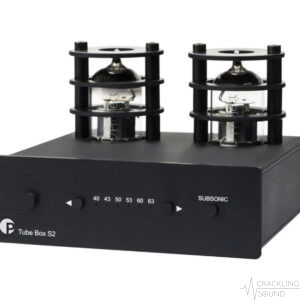
Best design
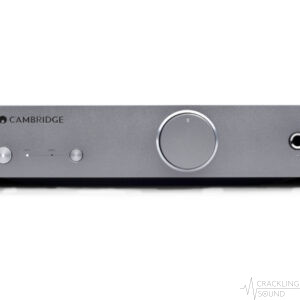
Cambridge Audio Alva Duo
MM and MC phono stage with a headphone output.Check price on Amazon
Key takeaways
- Dedicated phono preamps lower background noise and improve dynamic control compared to most built-in stages.
- Ensure your phono stage matches your cartridge type with appropriate gain and impedance options.
- External power supplies and subsonic filters significantly enhance overall signal clarity.
To make an informed decision when shopping for a reliable phono preamp, you must weigh gain requirements, loading flexibility, and build quality. Whether you are looking to bypass a basic internal circuit or optimize a low-output MC system, the right phono stage will completely unlock your turntable’s true acoustic potential.
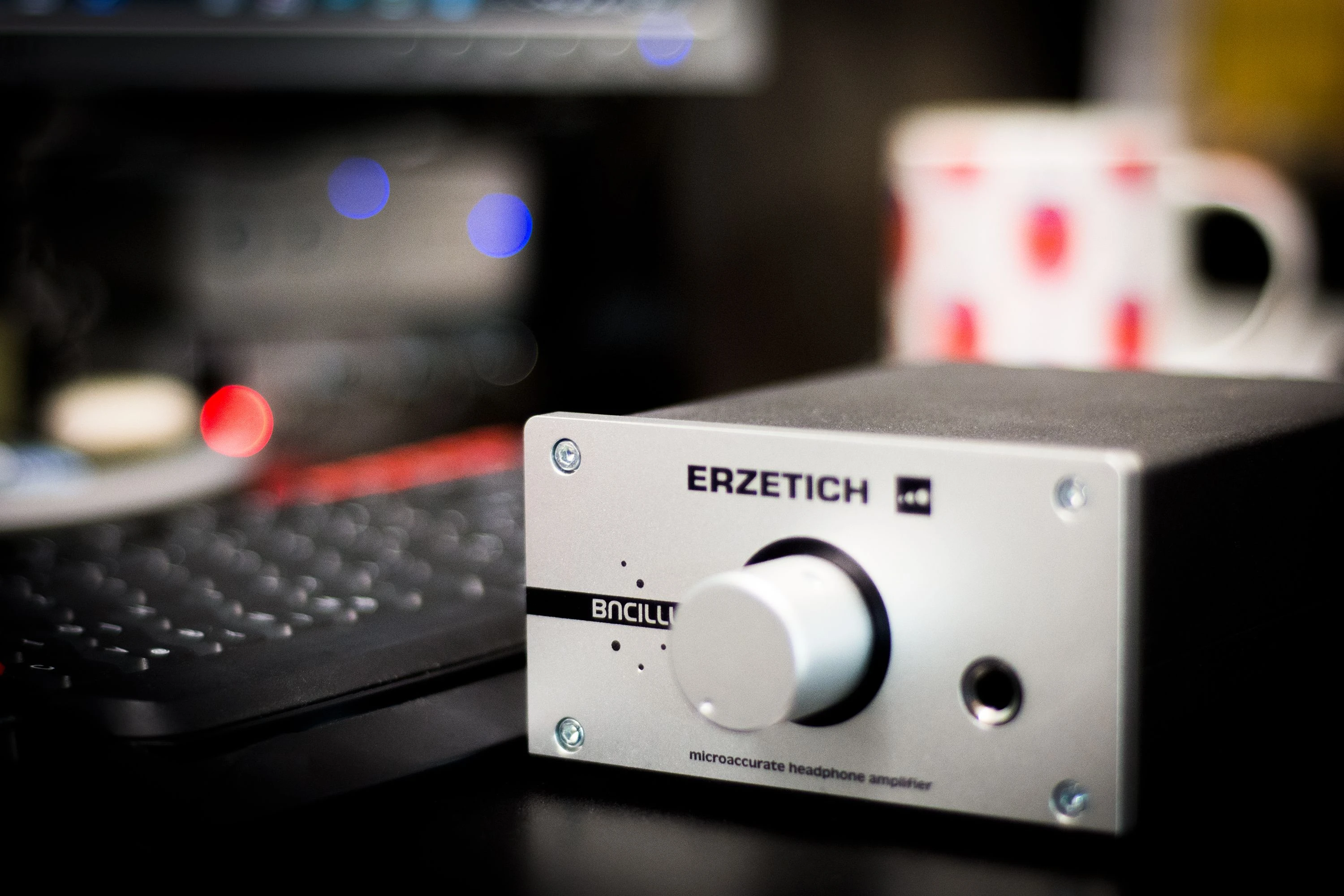
Do You Need a Dedicated Phono Preamp?
If your turntable or stereo amplifier already features a built-in phono stage, you can start spinning records without purchasing extra hardware. However, a dedicated standalone phono preamp usually brings lower electrical noise, enhanced dynamics, and superior control over gain and loading—delivering a clear performance step up from many factory-integrated circuits.
Beyond simple amplification, a quality standalone unit handles the critical RIAA equalization curve with high-precision components. Because physical limitations prevent cutting uncompressed bass frequencies onto vinyl, frequencies are heavily attenuated during manufacturing and boosted during playback; a superior phono stage ensures this mathematical inverse curve is executed with absolute transparency.
Pros
- Lower noise floor and cleaner signal path
- Greater dynamic headroom and bass control
- Flexible gain and loading adjustments
Cons
- Requires extra shelf space and interconnect cables
- Additional financial investment beyond the turntable
MM, MC, or Dual Compatibility
Always make sure your chosen phono preamp fully supports the electrical specifications of your cartridge. Standard MM cartridges require moderate gain (typically 35 to 45 dB) and a standard 47 kΩ load, whereas MC cartridges demand significantly higher amplification (55 to 65+ dB) due to their microscopic output voltage. Furthermore, many high-end moving coil models benefit greatly from adjustable impedance loading to tame high frequencies and optimize transient response. Read our detailed cartridge reviews to precisely understand what electrical load your specific transducer needs.
Features That Matter Most
Modern vinyl setups cater to diverse listening environments, successfully balancing traditional analog purism with contemporary configuration features across every category of a high-performance phono preamp:
- Gain and loading switches: These provide essential flexibility for future cartridge upgrades without requiring a hardware replacement.
- Low noise design: This is critical for keeping background hum inaudible when working with low-output MC cartridges.
- Subsonic filter: This circuit is extremely useful for filtering out disruptive low-frequency rumble caused by warped records or structural footfalls.
- Power supply quality: External power supplies physically keep electromagnetic noise away from the sensitive audio signal path.
If you are looking for proven performance benchmarks to kick off your research, our detailed reviews of models like the Schiit Mani 2 and our comprehensive guide to the best phono preamp under $500 serve as excellent starting points.