

Our top picks
Best for most
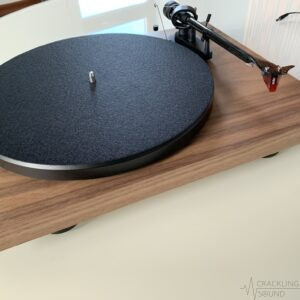
Carbon tonearm and great build – the safe hi-fi choice.Check price on AmazonRead review
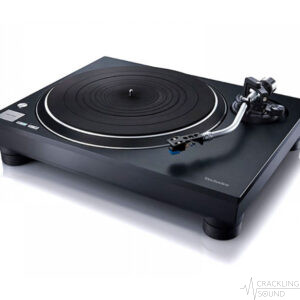
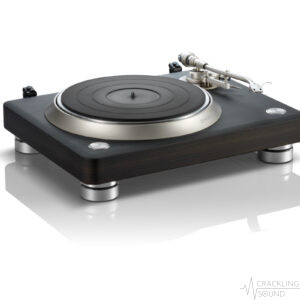
To deliver truly reliable and trustworthy insights, every single turntable that crosses our path is evaluated exactly the way you will use it at home: we unpack the unit from its retail box, carefully mount and align the cartridge, verify rotational speed using a professional strobe disc, and listen extensively through a familiar reference audio system. During this critical process, we scrutinize every detail, from unboxing friction and motor bearing rumble to tonearm resonance and tracking accuracy across demanding dynamic passages. If you are just starting your analog journey, taking the time to read how to set up a turntable is essential before spinning your first precious LP—because a well-adjusted budget deck will almost always outperform an expensive flagship that has been incorrectly calibrated.
Belt-Drive vs. Direct-Drive Turntables
The foundational debate in analog audio engineering usually comes down to the drive mechanism chosen by the manufacturer when designing a high-performance turntable. Belt-drive players physically isolate the platter from motor vibrations by utilizing an elastic rubber belt, effectively reducing background hum. Most high-fidelity audiophile decks, such as the acclaimed Rega Planar 2 or the versatile Pro-Ject Debut Carbon EVO, rely on this proven engineering approach to ensure pure signal integrity. Conversely, direct-drive players couple the platter directly to the motor spindle, delivering instant start-up torque and exceptional speed stability—traits prominently featured in heavy-duty units like the Denon DP-3000NE and the club-standard Pioneer PLX-1000. Ultimately, both architectures are fully capable of breathtaking sound reproduction; overall build quality, isolation design, and meticulous engineering execution matter far more than the drive type alone when choosing a new turntable.
Evaluating Automation, Bluetooth, and USB Features
Modern vinyl setups cater to diverse lifestyles, successfully balancing traditional analog purism with contemporary convenience across every category of this iconic turntable gear:
- Automatic Turntables: These systems lift and return the tonearm automatically at the end of a record side, offering incredible convenience for beginners and safeguarding your vinyl collection from premature stylus wear, such as the popular Pro-Ject Automat A1.
- Manual Turntables: These players strip away auxiliary mechanical linkages entirely, resulting in fewer moving parts, zero mechanical interference, and structurally superior tonearms.
- Bluetooth Turntables: These units stream your analog music directly to wireless speakers or headphones, exemplified by models like the Sony PS-LX310BT or JBL Spinner BT. While exceptionally convenient for casual listening, converting analog audio signals to wireless digital streams means a traditional wired analog signal path will always yield superior acoustic fidelity.
- USB Turntables: These outputs provide a straightforward, plug-and-play bridge to digitize your physical record collection onto a computer for archival or portable listening purposes.
The Critical Role of Built-In Phono Preamps
Many entry-level and mid-tier models of any standard turntable feature an integrated phono preamplifier, enabling direct connection to powered speakers, modern soundbars, or standard line-level amplifier inputs without requiring extra hardware boxes. Premium audiophile decks typically omit this internal stage entirely to eliminate potential electromagnetic interference, requiring an outboard phono preamp for maximum signal purity and dynamic headroom. Furthermore, upgrading your factory-installed cartridge remains one of the single most impactful modifications you can make to elevate your system’s overall sonic clarity and frequency response.
Determining Your Budget and Navigating Options
For the vast majority of music lovers, a well-engineered manual or semi-automatic turntable sitting in the mid-tier price bracket represents the ultimate performance-to-cost sweet spot. Navigating the vast market of audio gear can feel overwhelming, but keeping your primary listening habits and space constraints in mind helps narrow down the choices significantly. If you want to bypass exhaustive research and find proven performers right away, our curated guide to the best turntables under $500 provides an ideal shortcut to high-value analog sound.