

Our top picks
Key takeaways
- Open-back headphones deliver a wider, more natural soundstage but offer zero noise isolation.
- Wireless models focus on convenience and ANC, while wired planar magnetic designs prioritize pure audio fidelity.
- Matching high-impedance models with a capable dedicated amplifier is essential for unlocking their full dynamic range.
To make an informed decision, you must look beyond just aesthetic appeal. Comfort, clamping force, and electrical synergy with your source gear play equal roles in determining whether a specific model will become your daily driver or gather dust on a shelf.
Open-Back or Closed-Back Designs?
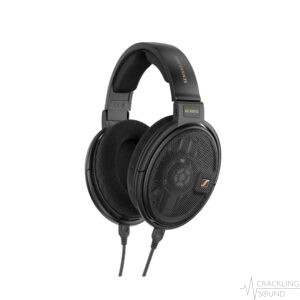
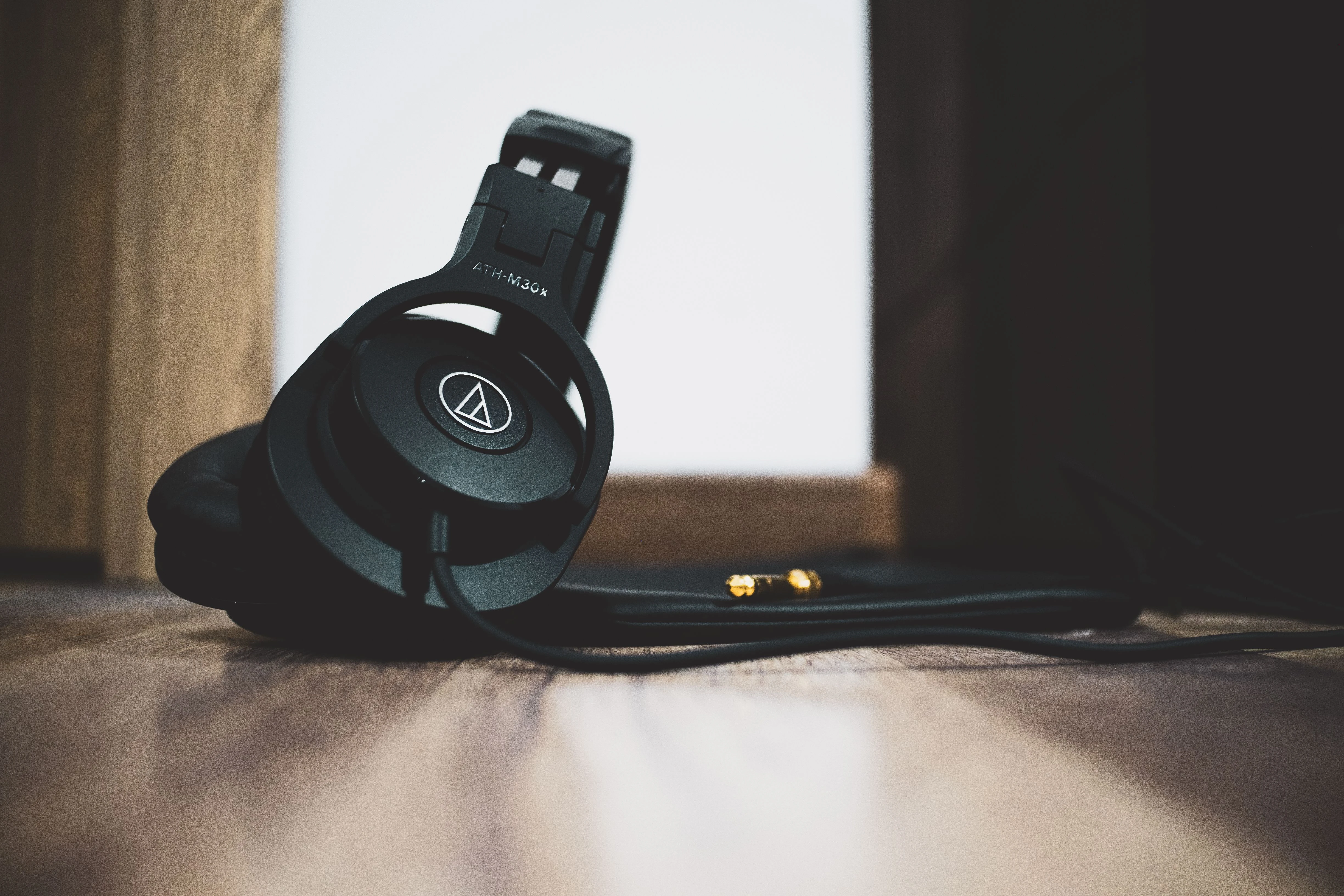
The acoustic architecture of the earcups fundamentally changes how your music sounds. Open-back models feature vented outer shells that allow air and sound waves to pass through freely. This results in a highly spacious, natural, and speaker-like soundstage, but they leak sound heavily and let all outside noise in – making them suitable only for quiet listening rooms. Conversely, closed-back designs seal the acoustic chamber, providing excellent passive noise isolation that suits commuting, busy offices, and studio recording. Some innovative models, like the Sennheiser HD 620S, are examples of closed-back engineering that cleverly attempts to mimic an open, airy sound.
Pros (Open-Back)
- Wide, expansive soundstage and precise imaging
- Less heat build-up around the ears during long sessions
- More natural, uncompressed bass response
Cons (Open-Back)
- Zero isolation from environmental background noise
- Sound leakage makes them unusable in public spaces
Wired Hi-Fi or Wireless?
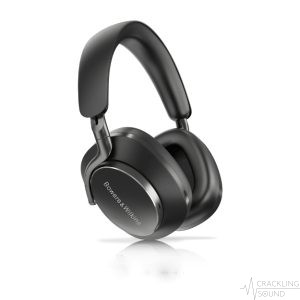
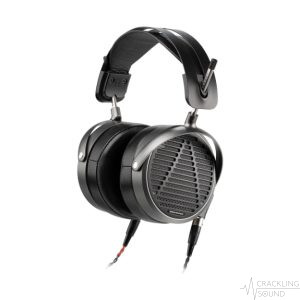
The choice between cables and Bluetooth often dictates how and where you will listen. Wireless over-ears such as the Sennheiser Momentum 4 or the premium Bowers & Wilkins Px8 are built entirely around daily convenience, DSP (digital signal processing), and Active Noise Cancelling (ANC). While modern Bluetooth codecs sound fantastic, purists will want to stay tethered. Wired hi-fi and planar magnetic headphones like the Audeze MM-500 prioritize uncompressed sound quality, faster transient response, and zero latency, though they usually demand a dedicated desktop amplifier to truly shine.
Impedance and Amplification
Understanding impedance (measured in Ohms) and sensitivity is crucial for proper gear matching. Low-impedance pairs (typically under 32 Ohms) are highly efficient and easy to drive directly from a smartphone, laptop, or basic portable DAC. However, high-impedance models and many demanding planar magnetic drivers require significantly more voltage or current to maintain control over the bass drivers and avoid dynamic compression. Always check whether your chosen amplifier or receiver has enough output power to drive your specific headphones without introducing distortion.
How We Test
Our evaluation methodology focuses on both sonic performance and physical ergonomics. We listen to a strict playlist of reference tracks on every pair, testing analog sources like vinyl via a dedicated headphone amp, as well as hi-res lossless digital streaming. We critically judge tonal balance, micro-detail retrieval, soundstage width, and bass control. Crucially, we wear the gear for extended multi-hour sessions to evaluate long-term comfort, noting the clamping force, overall weight distribution on the headband, and earpad heat retention.