

Key takeaways
- Proper evaluation of LP albums goes beyond the music, focusing on pressing quality, analog mastering, and physical packaging.
- New collectors should start with landmark classic releases to establish a high-quality reference baseline for their system.
- Even the best analog pressings require pristine wet-cleaning and a properly calibrated turntable to sound their absolute best.
When navigating the modern vinyl market, it is easy to get overwhelmed by different editions, remasters, and varying pressing plant reputations. Our comprehensive review process is designed to cut through the marketing noise, ensuring you only spend your money on physical records that truly elevate your listening sessions with uncompressed dynamic range and organic warmth.
What We Look At in Our Reviews
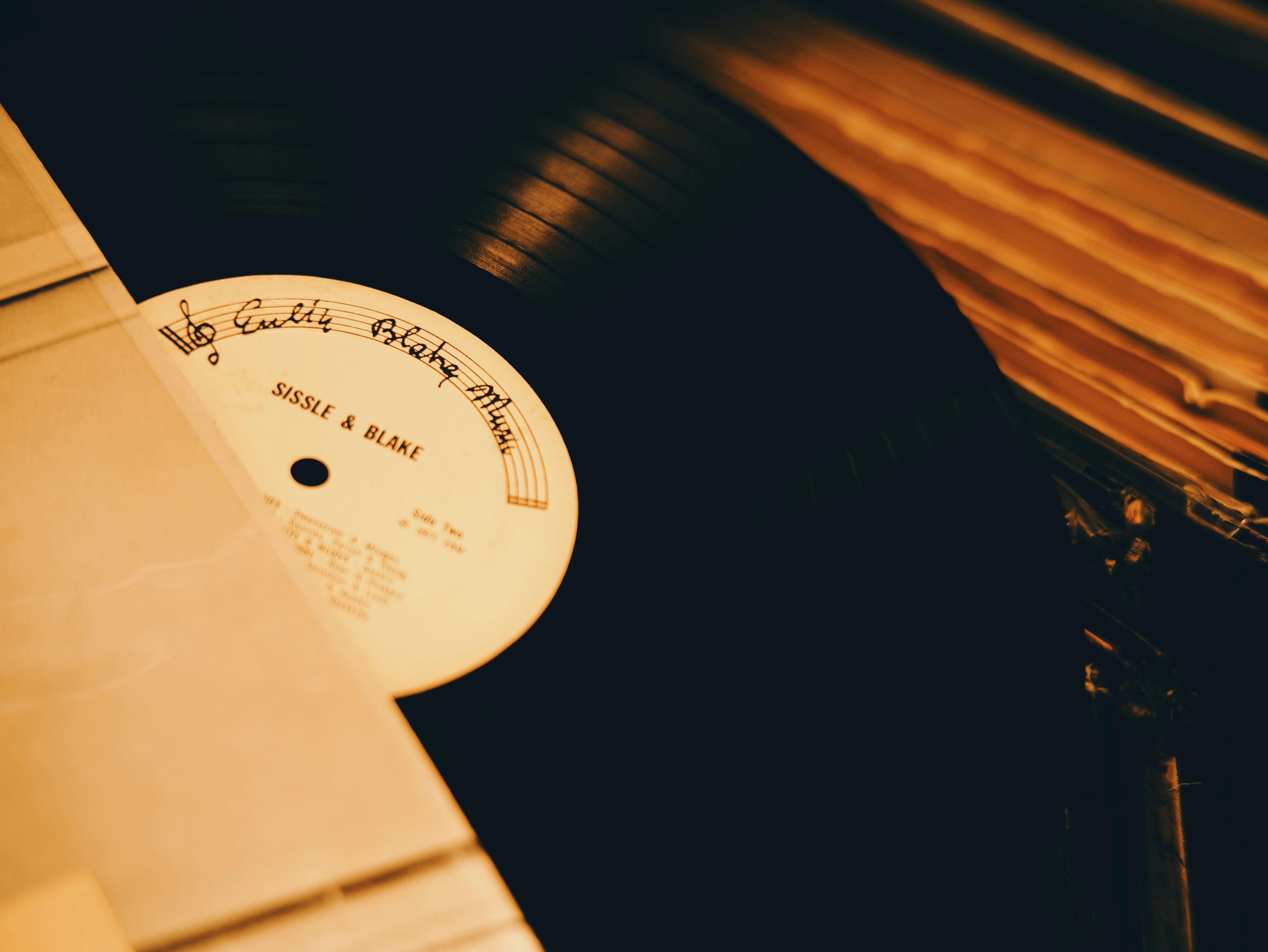
Evaluating physical music requires a strict, multi-faceted approach. For each release we review, we meticulously note the specific matrix release details and the exact edition we listened to (e.g., original first pressing vs. half-speed remastered reissue). We critically judge the physical quality of the wax itself – listening closely for intrusive surface noise, checking the center hole alignment (centring) to prevent wow and flutter, and ensuring absolute disc flatness.
Beyond the physical format, we analyze how the mastering translates on a high-fidelity system, checking for generous dynamic headroom and precise tonal balance. Finally, we look at the physical presentation: the durability of the gatefold sleeve, the quality of printed inserts, the inclusion of anti-static inner sleeves, and the overall value for the collector.
Pros of Modern Audiophile Reissues
- Often pressed on heavy, durable 180g or 200g vinyl
- Sourced from original analog master tapes (AAA) when possible
- Pristine, untouched grooves with zero previous wear
Cons of Modern Audiophile Reissues
- Can sometimes suffer from modern digital mastering compression
- Occasional quality control issues at busy pressing plants
Classics on Vinyl
If you are just beginning to build your library, we highly recommend starting with landmark records that are renowned for their exceptional studio production and massive soundstages. These LP albums serve as excellent reference tools to test your turntable’s capabilities:
- Pink Floyd – The Wall: A masterclass in conceptual storytelling and dynamic range.
- Queen – A Night at the Opera: Features incredibly complex vocal harmonies and precise instrument separation.
- The Beatles – The White Album: A diverse, genre-spanning journey that demands an accurate stylus profile to track properly.
- Michael Jackson – Thriller (25th Anniversary): A punchy, bass-heavy pop masterpiece that tests your system’s transient response.
Getting the Best From Your Records
Owning premium LP albums is only half the equation; playback execution is just as critical. A meticulously clean record played on a well-set-up turntable dramatically lowers the noise floor and makes every single track sound infinitely better. Dust and static electricity are the ultimate enemies of analog audio, often causing pops, clicks, and premature stylus wear.
To ensure you are extracting every ounce of detail from your collection’s grooves, see our comprehensive guides for proper setup, cartridge alignment, and wet-cleaning care. Furthermore, if your current rig is holding your music back, explore our detailed turntable reviews to find the perfect hardware upgrade for your evolving listening room.